Views: 0 Author: Site Editor Publish Time: 2026-06-30 Origin: Site


Leather goods manufacturers face a brutal reality today. Rising material costs constantly devour profit margins. Simultaneously, severe shortages of skilled cutting labor cripple production lines. We can no longer view this as a simple debate between manual craftsmanship and machinery. You must shift your narrative from legacy manual processes to highly scalable digital workflows.
Relying on hand-cutting leaves your factory vulnerable. Human fatigue, inconsistent quality, and scalability bottlenecks disrupt daily schedules. Transitioning to an Automatic Leather Cutting Machine is no longer just an operational upgrade. It serves as a strict baseline requirement. You need this technology to maintain competitive production efficiency and product consistency. Read on to discover why legacy methods fail, how modern equipment solves natural leather flaws, and the exact steps you need for successful factory implementation.
Labor & Dependency: Moving to automation removes the reliance on highly specialized, hard-to-replace manual craftsmen.
Material Utilization: Algorithmic nesting and flaw-recognition software systematically reduce expensive leather waste by 5% to 15%.
Throughput: CNC-driven systems routinely output 2x to 3x the volume of manual processes within the same footprint.
Implementation Reality: Success relies heavily on proper CAD integration and operator training, not just hardware acquisition.
Manual cutting techniques once defined premium leather goods. Today, they represent a significant operational risk. Factory floors struggle to sustain output levels using outdated methods. Several core issues make hand-cutting unsustainable for modern manufacturing.
Master cutters possess years of specialized experience. Recruiting these experts takes months. Retaining them costs even more. Younger generations rarely pursue this specific vocational path. This demographic shift leaves factories critically short-staffed. Furthermore, manual cutting demands immense physical exertion. Human fatigue inevitably sets in during a typical shift. Fatigue destroys daily output consistency. A cutter's precision at 8:00 AM rarely matches their precision at 4:00 PM.
Manual errors create compound losses. You do not just lose time. An improper cut wastes premium, expensive hides. These mistakes create a destructive domino effect across the factory floor. Imperfect pieces reach downstream departments. Skiving machines jam. Stitching lines misalign. Assembly teams wait idly for replacement parts. These delays cripple overall factory throughput.
Legacy methods strictly limit your growth potential. Peak manufacturing seasons demand rapid production surges. Sudden OEM contracts require massive, immediate output. Manual cutting physically prevents rapid scaling. You cannot simply double your workforce overnight. Training new cutters takes weeks. Factory managers find themselves trapped. They reject lucrative orders because their manual cutting room cannot handle the volume.
Talent Scarcity: Master craftsmen retire faster than factories can replace them.
Fatigue Variance: Output quality drops significantly toward the end of shifts.
Downstream Delays: Imprecise cuts slow down sewing and assembly lines.
Growth Hard-Caps: Manual processes cannot scale quickly for seasonal spikes.
Automated systems transform chaotic cutting rooms into highly synchronized production lines. They remove guesswork entirely. Factories achieve consistent output metrics every single day. True leather automation redefines how quickly and accurately you can process raw materials.
Historically, increasing cutting speed meant sacrificing edge quality. Modern machinery eliminates this compromise. Automated tables execute high-speed continuous cuts. They maintain flawless edge quality simultaneously. They achieve dimensional accuracy down to fractions of a millimeter. Every single piece matches the digital pattern perfectly. Assembly teams receive identical components every time. This parity between speed and precision guarantees superior final products.
Old methods required separate stations for different tasks. Modern cutting heads solve this inefficiency. A single mechanized head carries multiple tools at once. It houses high-frequency oscillating knives. It holds various punching tools for hardware holes. It includes marking pens for sewing lines. The machine switches between these tools instantly. It cuts, punches, and marks the leather in one continuous pass. You completely eliminate secondary processing steps.
Digital systems provide ultimate transparency. Factory managers no longer guess when a batch will finish. The software calculates exact cycle times before the machine even starts. You can forecast your exact production efficiency for the week. Delivery dates become concrete promises rather than rough estimates. This predictable output strengthens client relationships and optimizes logistics.
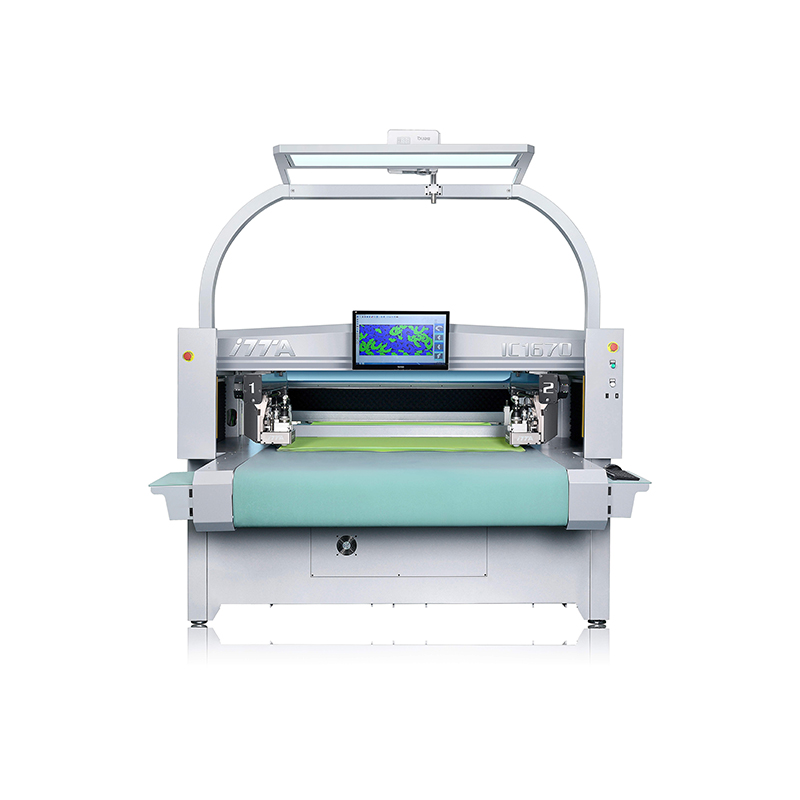
Synthetic materials come in uniform rolls. Genuine leather does not. Many factory owners doubt automation can handle natural materials. We must address this skepticism directly.
Genuine hides are inherently irregular. They feature asymmetrical perimeters. They contain natural scars, insect bites, and branding marks. Grain directions vary across the hide. A premium handbag requires prime leather from the center. Stretchier belly leather suits hidden internal gussets. Manual cutters spend years learning to navigate these variables. Machines must replicate this nuanced decision-making.
Modern equipment uses advanced vision systems. High-definition overhead cameras capture a complete snapshot of the raw hide. Projector systems illuminate the leather on the cutting bed. Operators inspect the hide and mark specific flaws using a digital pen. The software maps the exact perimeter. It defines graded quality zones across the material. It flags A-grade, B-grade, and unusable areas instantly. The machine knows exactly where to place premium pattern pieces.
Once the system maps the hide, the magic happens. Highly intelligent cutting software takes over. The algorithm analyzes thousands of layout possibilities. It calculates the highest-yield part placement in seconds. It respects directional grain rules. It ensures prime parts land on A-grade zones. This digital process vastly outperforms human spatial estimation. It squeezes every possible usable inch out of the hide.
Chart: Manual Spatial Estimation vs. Algorithmic Nesting | ||
Process Feature | Manual Spatial Estimation | Algorithmic Nesting Software |
|---|---|---|
Calculation Speed | Minutes per hide | 3 to 5 seconds per hide |
Yield Optimization | Relies on cutter's visual guesswork | Calculates mathematical maximum yield |
Flaw Avoidance | Memory-based, prone to human error | Strictly respects mapped digital zones |
Grain Direction | Inconsistent alignment | Locks orientation parameters digitally |
Business leaders require hard financial justification for new equipment. The switch to automation delivers measurable returns quickly. The financial benefits extend far beyond a simple equipment upgrade.
Leather acts as your highest variable cost. Even minor waste reductions create massive financial impacts. Algorithmic nesting typically improves material utilization by 5% to 15%. Consider your annual spend on raw hides. A 10% increase in yield directly funds the equipment lease or purchase. You essentially pay for the machine using the leather it saves.
Automated systems dramatically consolidate your workforce. A single automated table operates at incredible speeds. One trained technician manages this single station. This setup routinely replaces three to five manual cutting stations. This massive labor saving transforms your payroll. You reduce baseline wages. You cut associated benefits costs. You free up experienced workers for more complex assembly tasks.
Financial gains also hide in indirect expenses. Traditional die-press methods require physical steel rule dies. These dies cost money to design, manufacture, and repair. You must rent warehouse space just to store them. Automation eliminates dies entirely. Furthermore, safer digital machines reduce workplace injury liabilities. You eliminate the repetitive strain injuries common in hand-cutting departments.
Purchasing the hardware covers only half the journey. Successful integration requires cultural and procedural shifts on your factory floor. You must prepare your operations for the digital era.
You cannot use cardboard patterns with digital tables. Factories must migrate physical patterns into digital formats. You need clean CAD or DXF files. Physical patterns degrade, warp, and tear over time. Digital files remain perfect forever. Start digitizing your most popular product lines before the machine arrives. This preparation ensures immediate production upon installation.
Do not assume your best manual cutter makes the best machine operator. CNC leather cutting requires a different skill set. Operators must feel comfortable navigating software interfaces. They manage digital files, calibrate cameras, and adjust vacuum settings. They oversee mechanical operation, but their primary tool is the computer monitor. Be transparent during training. Invest in proper vendor-led upskilling programs.
Digital tables require specific environmental conditions. They are not simple workbenches. You must prepare the facility properly.
Vacuum Noise Isolation: High-powered vacuum pumps generate considerable noise. Plan acoustic shielding or place the pump in an isolated housing.
Electrical Requirements: These systems draw significant power. Install heavy-duty, dedicated electrical drops to prevent power surges.
Environmental Stability: Sensitive cameras and computer components dislike extreme heat or humidity. Maintain a stable, climate-controlled zone around the equipment.
Network Connectivity: Ensure strong local network access. The machine needs to pull CAD files directly from your central server.
No two factories share identical needs. You must evaluate equipment configurations based on your specific materials and production volumes. Choosing the wrong setup causes severe bottlenecks.
Your core material dictates the machine type. Genuine leather strictly requires single-ply cutting. Each hide demands individual optical scanning and unique nesting. You cannot stack natural hides. Conversely, synthetic leathers (PU/PVC) come in uniform rolls. These materials lack natural flaws. Synthetic processing benefits heavily from multi-ply static cutting. Multi-ply machines slice through ten or twenty layers simultaneously. Choose the configuration that matches your dominant material.
Evaluation Matrix: Single-Ply vs. Multi-Ply Equipment | ||
Evaluation Metric | Single-Ply System | Multi-Ply System |
|---|---|---|
Primary Material | Genuine Leather, Premium Suede | Synthetic Leather (PU/PVC), Canvas |
Optical Scanning | Mandatory (identifies flaws & perimeters) | Unnecessary (materials are uniform) |
Production Volume | High value, moderate unit volume | High unit volume, bulk processing |
Nesting Strategy | Dynamic (changes every hide) | Static (repeats the same layout) |
Precision cutting requires perfectly flat materials. Irregular hides naturally curl and shift. Robust vacuum systems solve this problem. The cutting bed uses a porous underlay. High-capacity pumps pull air through this underlay. Look for systems featuring partitioned vacuum zones. These smart tables focus maximum suction directly beneath the active cutting head. The material remains locked in place during high-speed routing.
Hardware specifications matter, but vendor reliability matters more. Machine downtime halts your entire factory. You must evaluate the vendor's SLA (Service Level Agreement). Ask about software update frequencies. Verify their local spare parts inventory. Can they dispatch a technician within 24 hours? Do they offer remote diagnostic capabilities? Treat vendor support as a critical technical specification.
The manufacturing landscape continues to evolve rapidly. Clinging to manual processes exposes your business to unacceptable risks. The transition to automation relies on verifiable metrics, not just the novelty of new technology. Digital workflows generate immediate returns through dramatic material savings. They stabilize your throughput and permanently resolve skilled labor shortages.
Take proactive steps today. Operational leaders should begin by auditing their current factory material waste percentages. Identify exactly how much premium hide lands in the trash bin. Next, initiate a digital migration. Digitize your top 20 most-used cardboard patterns into CAD formats. This prepares your workflow for inevitable automation.
Do not wait for your competitors to outpace your production limits. Reach out to an equipment specialist today. Request a custom ROI calculation based on your specific factory volumes. Better yet, book a live material-testing demo. Send your hardest-to-cut hides to a vendor and watch intelligent software maximize your yield in real-time.
A: Yes, but it requires specific high-frequency oscillating knife modules and appropriate blade profiles. Standard drag knives will struggle. Verify the maximum cutting thickness with the manufacturer before purchase. Depending on the leather's density, specialized automated tables can typically cut materials up to 15mm or 20mm thick.
A: Based on standard production volumes, businesses typically reach break-even between 12 to 18 months. This timeline is primarily driven by immediate material yield improvements. Consolidating labor and replacing multiple manual stations also drastically accelerate your return on investment.
A: No. CNC systems are entirely digital. They cut directly from imported CAD or DXF files. This completely eliminates the cost, lengthy lead times, and massive storage space required for traditional steel rule dies. You can alter a pattern digitally and cut it immediately.
A: Any mechanical system faces potential downtime. Address this risk directly. Keep a minimal manual backup process available for your critical path items. Most importantly, choose a vendor offering remote diagnostic capabilities and guaranteed uptime SLAs. Excellent support networks resolve software glitches within hours.