Views: 0 Author: Site Editor Publish Time: 2026-06-20 Origin: Site


Raw materials account for the highest percentage of manufacturing costs in commercial leather facilities. You know this business reality well. A minor 2–5% increase in yield can easily fund the capital expenditure of new equipment within months. However, natural leather presents a unique challenge. It is inherently irregular. It features organic edges, varying thickness, and unpredictable scars. Extracting maximum value from each animal hide is never simple. It demands a complex intersection of hardware capability and software intelligence.
This guide dissects the specific technological and operational factors driving true efficiency on the factory floor. We provide a transparent evaluation framework here. You will learn how to assess vendor claims objectively. You can use this knowledge to upgrade hardware or scale production lines confidently.
Software Outweighs Hardware in Yield: Advanced algorithmic nesting software is the primary driver of material utilization, often outperforming manual nesting by up to 10%.
Vision Systems are Non-Negotiable for Natural Hides: Accurate AI-driven flaw detection prevents defective parts from being cut, reducing secondary waste.
Physical Stability Dictates Precision: High-efficiency hardware relies on advanced vacuum zoning to prevent material shift during high-speed routing or oscillating cuts.
Verify Before Buying: Machine utilization claims should only be evaluated using your own production-grade hides during vendor time-studies.
You must understand the strict definition of yield before upgrading equipment. It is the mathematical ratio of usable cut parts to the total square footage of the raw hide. This equation must account for natural defects and unavoidable edge loss. It serves as the ultimate benchmark for factory profitability.
Inefficiency carries a massive hidden cost. Manual cutting processes force operators to rely on visual estimation. Outdated CNC systems are equally problematic. Both scenarios lead to artificial buffering. Operators leave too much empty space between parts just to be safe. This excessive spacing directly drives up your daily material overhead. Over a year, these wasted millimeters consume your profit margins entirely.
Modern operations require a major shift in success criteria. You cannot measure success by mere machine speed anymore. Instead, you must track holistic Leather Cutting Efficiency. This vital metric encompasses cutting speed, first-pass yield, and automated defect avoidance. High efficiency means getting the absolute most out of every single hide.
Think of the software algorithms as the brain of your operation. This brain matters much more than the cutting blade itself. Advanced algorithms act as the primary engine for leather waste reduction. Superior systems pack complex geometric shapes tightly together. They outsmart human spatial reasoning every single time.
Static nesting relies entirely on pre-programmed layouts. This method works perfectly for synthetic materials. You simply repeat the same layout down a uniform roll. However, dynamic auto-nesting operates completely differently. Advanced nesting software algorithms adapt in real-time. They map their layouts to the unique perimeter of each individual natural hide.
Feature | Static Nesting | Dynamic Auto-Nesting |
|---|---|---|
Best Material Match | Synthetics, uniform fabric rolls | Natural leather, irregular hides |
Processing Speed | Instant (pre-calculated) | Variable (requires real-time computing) |
Defect Handling | Cannot avoid random defects | Routes around mapped scars automatically |
Yield Optimization | Moderate (fixed buffer zones) | Maximum (zero-buffer interlocking) |
Top-tier software does much more than fit puzzle pieces together. It deeply respects the physical properties of natural material. Complex algorithms evaluate grain direction and stretch lines constantly. They handle intricate pattern matching automatically. The system calculates the tightest possible interlocking geometry while honoring these structural constraints. This intelligent calculation prevents flawed final products and ensures dimensional stability.
We recommend updating your software algorithms frequently. Legacy systems often rely on outdated bounding-box logic. Modern systems utilize advanced contour-hugging mathematics instead. This upgrade alone can boost your usable yield significantly.
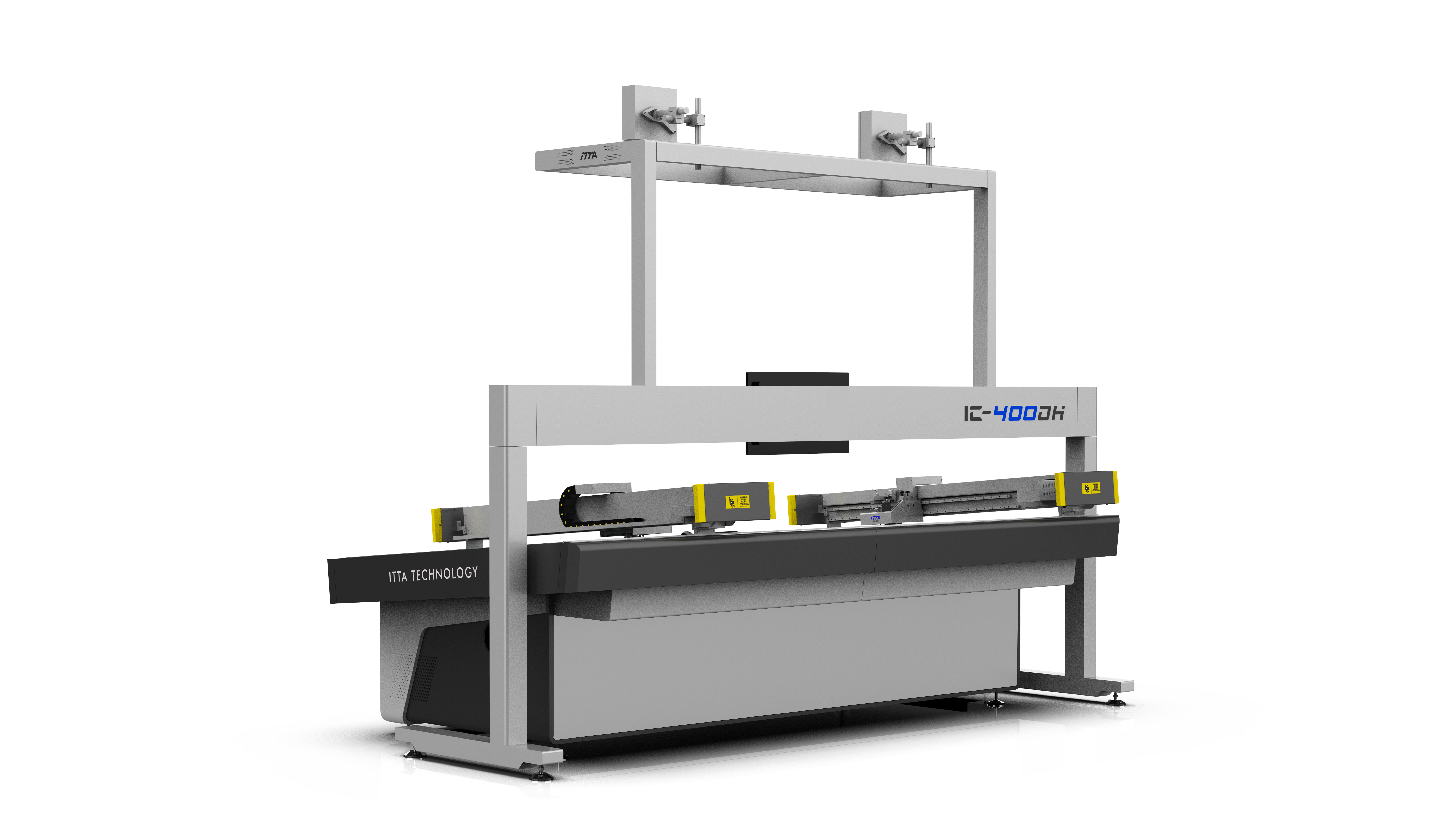
Natural material presents a highly unique manufacturing challenge. Unlike woven textiles, animal hides carry scars, brand marks, and insect bites. A single hide contains varying quality grades naturally. You will find premium A-grade zones situated right alongside weaker B and C zones. Managing this variance determines your ultimate profitability.
Manual defect marking introduces massive operational risk. Operators mark flaws slowly using chalk or reflective tape. This creates a severe production bottleneck on the factory floor. It also introduces critical human error. Tired human eyes routinely miss small scratches.
Automated vision systems eliminate this costly guesswork completely. High-resolution overhead cameras and AI projection scan the entire hide instantly. They identify and grade different zones accurately. The intelligent system then instructs the nesting engine to bypass unmapped defects seamlessly. False positives drop dramatically.
Common Mistakes: Many facilities calibrate their vision systems poorly. They set the AI sensitivity too high. The system then avoids minor color variations as if they were deep structural scars. This mistake ruins potential yield. You must calibrate AI cameras to match your specific brand quality standards accurately.
This advanced mapping technology transforms your output entirely. It ensures operators cut high-grade parts exclusively from the premium center. We call this central area the butt or bend of the hide. Meanwhile, hidden structural components utilize the belly and flank edges smartly. This strategic allocation maximizes your overall leather yield. Zero premium material gets wasted on unseen internal parts.
Software brilliance always requires precise physical execution. If the machine cannot execute a tight software layout accurately, your theoretical efficiency is voided immediately. Hardware must hold the physical line perfectly. Flimsy gantries and weak motors destroy good layouts.
Dynamic, multi-zone vacuum tables are absolutely critical for success. Leather cannot shift even a millimeter during high-speed routing. If the material moves, zero-buffer nesting fails completely. A tiny shift ruins adjacent parts instantly.
Segmented Zoning: High-efficiency tables divide the cutting bed into distinct matrix zones.
Concentrated Suction: The system applies maximum vacuum power only where the blade is actively cutting.
Porous Underlay: Specialized breathable mats allow strong suction while protecting the blade tip from damage.
High-efficiency hardware grips the hide aggressively. It releases suction only when the tool path finishes completely. You should regularly check your vacuum pump filters. Clogged filters reduce suction pressure and cause microscopic material shifting.
Choosing the right physical cutting tool matters immensely.
CNC Oscillating Knives offer zero thermal damage. They leave incredibly clean edges behind. You can program parts to share a single cut line. We call this technique common-line cutting. It saves immense space across the hide.
Laser Cutting presents a different reality. Lasers are highly accurate for intricate patterns. However, they cause edge hardening or charring on thicker natural hides. This thermal damage sometimes requires a wider safety buffer around parts. Wider buffers naturally reduce your total usable area.
The human-machine interface dictates your daily success. A machine capable of 85% yield often hits only 70% in reality. Why does this happen? The software interface is simply too complex for floor operators to use correctly. Proper daily configuration matters much more than theoretical machine specs.
Workflow continuity is another crucial piece of the puzzle. Seamless digital integration determines your real-world material utilization. The system must read existing CAD files effortlessly. It needs to connect to ERP systems and order management tools seamlessly. Good workflow automatically groups small parts from entirely different customer orders into one hide. This clever batching fills empty scrap spaces efficiently.
Implementation reality often surprises hopeful buyers. Migrating from manual die-cutting to digital CNC platforms requires a steep learning curve. Vendor training becomes a critical investment factor. Poorly trained staff revert to wasteful manual habits quickly. They need absolute confidence in the new digital tools. Thorough onboarding ensures your leather production scales smoothly and profitably.
Do not trust glossy marketing brochures blindly. You need an evidence-based approach. Use this skeptical checklist to evaluate bold vendor claims effectively.
The Demo Test: Never accept generic specification sheets. Demand a rigorous physical test cut instead. Provide your most complex nesting patterns. Use your own specific grade of leather for the trial. Measure the actual scrap weighed afterward.
Software Ownership vs. Licensing: Check the software contract carefully. Assess whether high-efficiency algorithms require ongoing monthly subscription fees. Endless licensing fees eat into your hard-won material cost savings quickly.
Hardware Scalability: Look toward your future growth. Can the base machine handle future upgrades easily? Consider whether you can add a secondary cutting gantry later. Ask if the overhead projection system supports larger beds as production scales.
Maintenance Accessibility: Check how easily operators can swap blades or clean vacuum filters. Complex maintenance routines cause downtime. Downtime destroys your daily yield averages.
Achieving maximum material utilization is never a single standalone feature. It requires the synchronized performance of precise mapping, intelligent algorithms, and rigid hardware execution. All three pillars must work in perfect harmony to drive ROI.
Your next steps are clear and actionable. First, audit your current factory waste percentage today. Calculate the exact financial cost of your scrap bin over a fiscal quarter. Use this stark baseline data during your next RFP process. Finally, demand guaranteed yield improvements from potential machine suppliers before signing any purchase orders.
A: It varies heavily by hide grade and product size. Modern auto-nesting combined with AI mapping typically achieves 70% to 85% yield on natural hides. You will see even higher percentages on uniform synthetic materials.
A: Yes. Advanced optical recognition systems can identify specific patterns easily. They align cuts with embossing or grain directions automatically. This ensures product consistency across batches without sacrificing overall yield.
A: For natural leather, CNC oscillating knives generally perform better. They allow for tighter "common-line" cutting without the risk of thermal edge degradation. This clean mechanical cut often results in slightly better usable yield for high-end goods.