Views: 0 Author: Site Editor Publish Time: 2026-07-22 Origin: Site


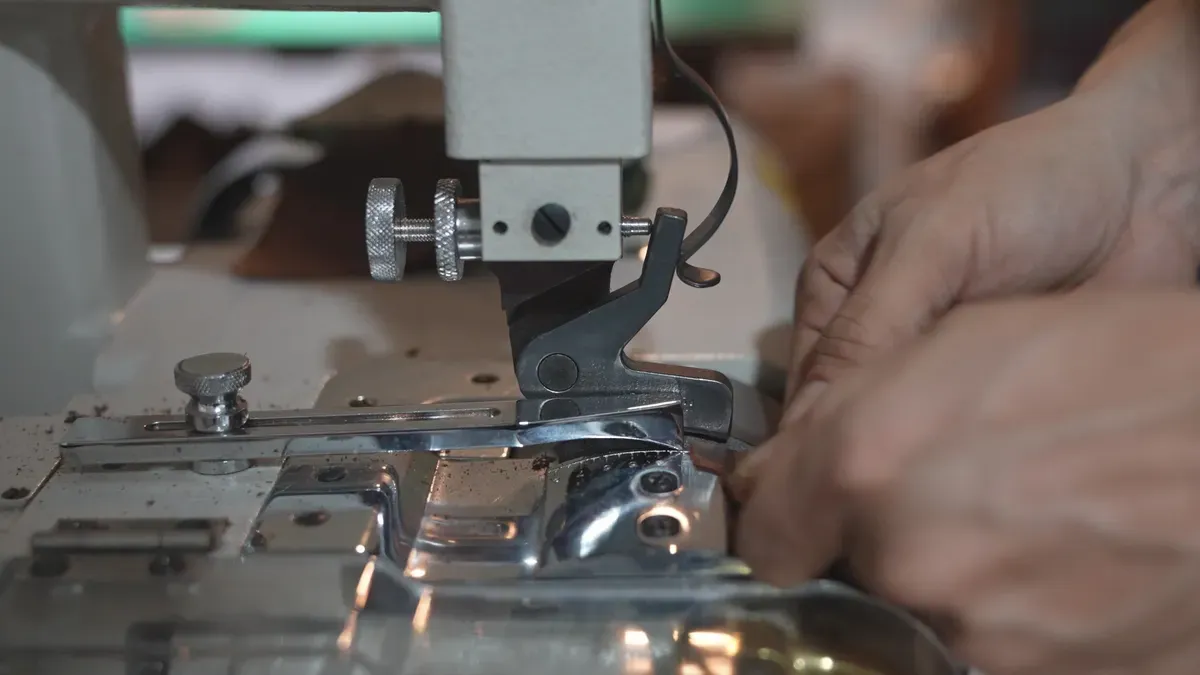
You see cnc leather cutting changing the leather industry every day. Blade-based CNC machines deliver high precision. You gain significant material savings because these machines optimize every cut. Labor reduction becomes possible as automation replaces manual work. You can handle intricate designs with ease, even those that traditional methods struggle with. Blade-based technology gives you an edge over older cutting techniques. Imagine how these advancements could improve your operation.
CNC leather cutting automates the cutting process, ensuring high precision and reducing human error.
Blade-based CNC machines optimize material usage, leading to significant savings and less waste.
Switching to CNC technology can increase production speed by 2 to 5 times compared to manual cutting.
CNC machines handle complex designs easily, allowing for intricate patterns that manual methods struggle with.
Investing in CNC cutting technology can lead to a return on investment within 6 to 18 months due to increased efficiency.
CNC leather cutting improves workplace safety by reducing the need for manual handling of sharp tools.
The technology supports customization, enabling quick design changes and efficient handling of small orders.
Adopting CNC cutting technology positions businesses to meet growing market demands for precision and sustainability.
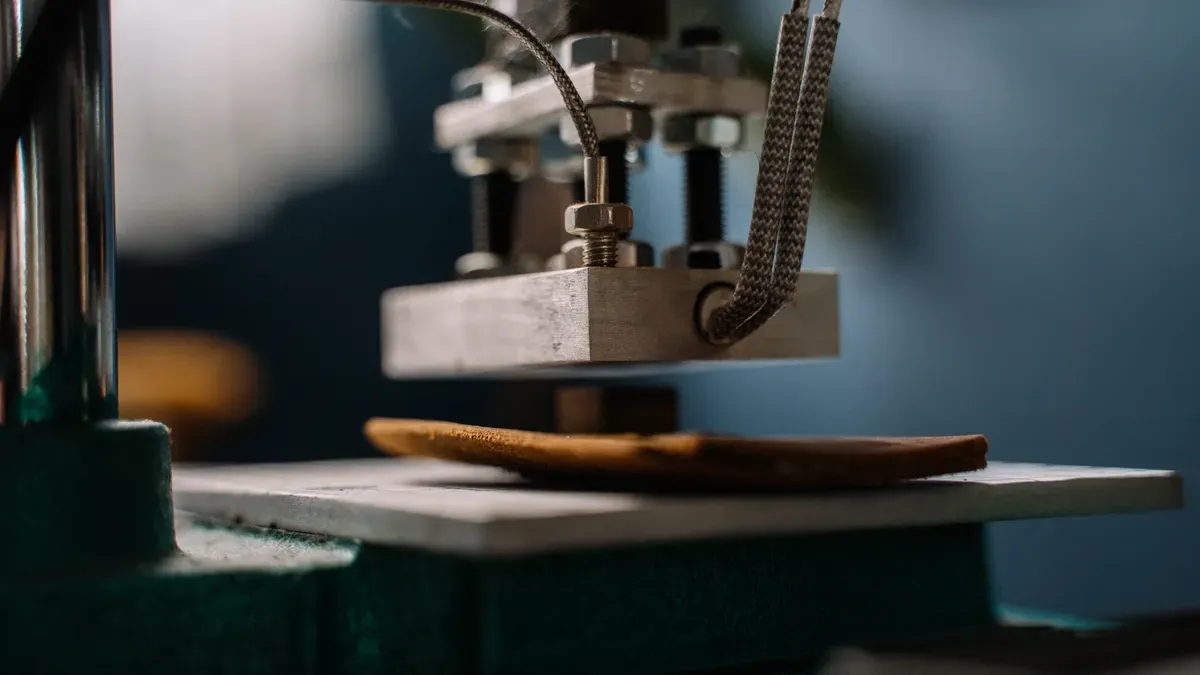
You use CNC leather cutting to automate the process of cutting leather. CNC stands for Computer Numerical Control. Blade-based CNC machines use a sharp blade guided by a computer. You upload your design to the machine. The computer reads the design and moves the blade along the exact path. The blade slices through the leather with high precision. You do not need to measure or mark the leather by hand. The machine handles every step, from positioning the material to making the final cut.
You achieve consistent results every time.
The machine cuts complex shapes and curves with ease.
Automatic nesting software arranges patterns to maximize material usage.
Real-time defect detection ensures only high-quality pieces get cut.
You can switch between designs quickly without manual adjustments.
Tip: Blade-based CNC machines deliver micron-level precision. You can cut intricate patterns that would be nearly impossible by hand.
Manual leather cutting relies on your skill and patience. You measure, mark, and cut each piece by hand. This process takes time and often leads to mistakes. Fatigue and distraction can cause uneven edges or wasted material. You may struggle to keep every piece the same size and shape.
CNC leather cutting changes the game. You let the machine handle the hard work. The computer guides the blade, so every cut matches the design exactly. You save time and reduce errors. Companies like Nike and Gucci have seen big improvements. Nike reduced leather waste by 23%. Gucci increased cutting efficiency by 35%. Automatic nesting and pattern recognition can cut material waste by 30% and boost production efficiency by up to 300%. You can realize a return on investment within two years, thanks to material savings and faster production.
Here is a quick comparison:
Aspect | Manual Leather Cutting | CNC Leather Cutting |
|---|---|---|
Precision | Dependent on the skill of the operator, prone to errors. | Computer-guided, ensuring precise and accurate cuts. |
Quality | Inconsistent results, varying quality across pieces. | Consistent quality across all pieces, regardless of quantity. |
Speed | Slower due to manual adjustments and operations. | Fast cutting, can operate continuously without loss of accuracy. |
Complexity | Difficult to cut intricate patterns by hand. | Easily handles complex shapes and designs. |
Waste Reduction | Often results in more waste due to imprecise cuts. | Smart nesting software minimizes waste and maximizes material use. |
Overall Efficiency | Lower efficiency due to manual processes. | Higher efficiency, capable of handling more orders quickly. |
Manual cutting can lead to uneven edges and wasted material due to human error.
CNC cutting ensures every piece is cut to the exact design specifications, eliminating inconsistencies.
Manual cutting is time-consuming, while CNC machines can operate quickly and continuously.
CNC machines can handle intricate designs that are challenging to achieve manually.
Manual cutting often results in higher material waste, whereas CNC cutting optimizes material usage.
You see the difference in your daily work. CNC leather cutting gives you more control, better quality, and higher efficiency. You can take on more orders and deliver consistent results. The transition from manual to automated cutting marks a major step forward for the leather industry.
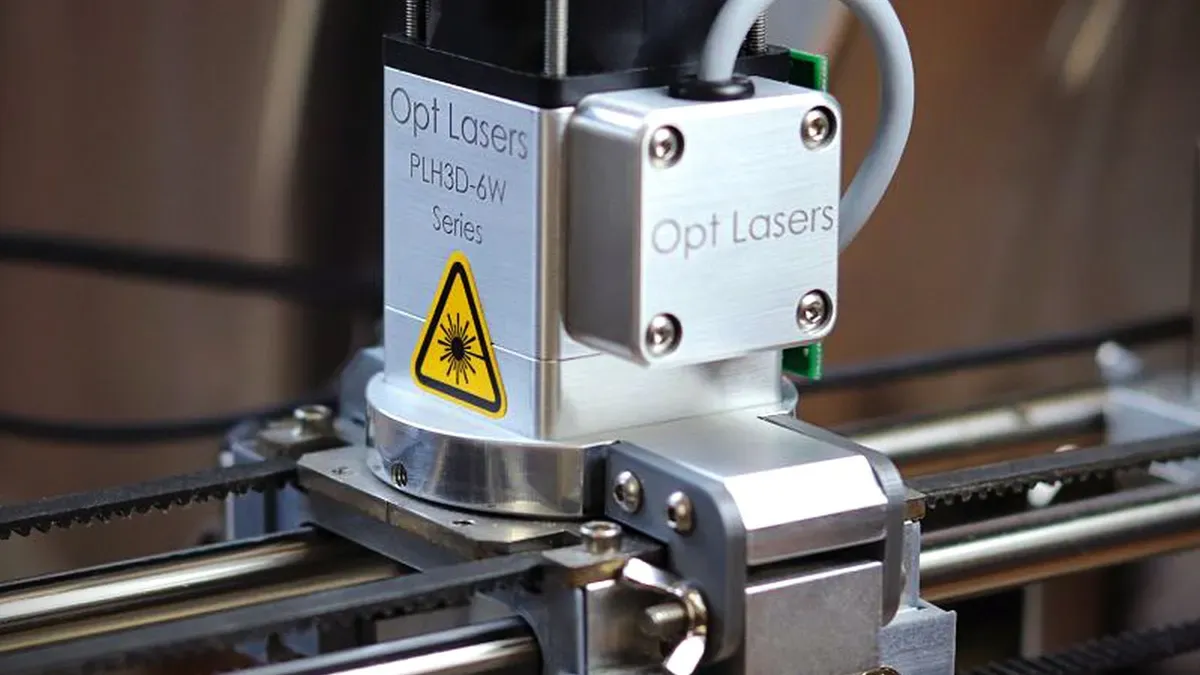
You want every piece to match your design exactly. CNC leather cutting gives you this level of accuracy. The machine follows your digital pattern with a precision of ±0.1 mm. This means you can create detailed and intricate designs that manual cutting cannot achieve. For example, a signage company reduced material waste from 15% to just 3% after switching to CNC machines. This improvement shows how precise cuts lead to less waste and better results.
A 2023 industry report shows that operators achieve an average accuracy of 98% with advanced CNC equipment.
Improper cutting can cause up to 20% material waste, so precision directly impacts your bottom line.
One automotive seat manufacturer saw a 30% increase in production efficiency and a 25% reduction in material waste after adopting CNC cutting technology.
When you use CNC leather cutting, you get cleaner edges and perfect shapes every time.
Manual cutting often leads to mistakes. Fatigue, distraction, or even a small slip can ruin a piece of leather. CNC machines follow programmed instructions, so you avoid these errors. The system uses oscillating knife tools to ensure every cut is uniform. High-resolution cameras can spot defects before cutting begins, so you only use the best parts of the material.
Feature/Benefit | Description |
|---|---|
Precision Cutting | CNC machines follow programmed instructions precisely, reducing errors in dimensions and tool paths. |
Material Efficiency | Advanced nesting software optimizes cutting patterns, minimizing waste and maximizing yield. |
Defect Detection | High-resolution cameras identify and exclude defects, leading to cleaner final products. |
Consistency in Production | Oscillating knife tools ensure uniform cuts, enhancing product consistency and fit. |
You get consistent quality across every order. This reliability helps you build trust with your customers.
You need to deliver orders quickly. CNC leather cutting machines help you boost your production speed. The oscillating knife cutting machine operates at a linear speed of 1000mm/s to 1500mm/s. This speed is 2 to 5 times faster than manual cutting. A standard CNC machine can match the output of 3 to 5 skilled manual cutters.
The leather intelligent cutting machine works 4-6 times faster than traditional methods.
You benefit from fast cutting, quick discharging, and rapid production, which is especially useful for small orders and varied styles.
Faster production means you can take on more projects and meet tight deadlines with confidence.
Complex shapes and intricate patterns often slow down manual cutting. CNC leather cutting machines handle these challenges with ease. You can cut curves, perforations, and detailed designs without slowing down. The machine maintains high precision, even with the most complicated patterns.
CNC technology is especially valuable for projects like automotive upholstery and detailed signage. You get both speed and accuracy, which leads to less waste and higher profits.
Material costs can add up quickly. CNC leather cutting machines use automatic nesting software to arrange your patterns in the most efficient way. This software reduces leftover scraps and maximizes the number of pieces you get from each hide.
The integration of advanced nesting software, like MiriSys’ Autonesting, has led to a 5% reduction in leather waste.
These algorithms optimize cutting patterns, which supports your sustainability goals and increases your profits.
Defects in leather can ruin a finished product. CNC machines use high-resolution cameras to scan the material before cutting. The system identifies flaws and avoids them, so you only use the best sections. This process leads to cleaner final products and less wasted material.
Material Savings | Method |
|---|---|
8–15% | CNC leather cutting |
<3% | CNC systems |
~15% | Manual cutting |
Waste Percentage | Method |
|---|---|
<3% | CNC systems |
~15% | Manual cutting |
You save money and support sustainability by reducing waste. CNC leather cutting helps you get the most value from every hide.
You gain unmatched flexibility when you use CNC leather cutting machines. You upload CAD patterns directly to the system. The machine reads your design and starts cutting right away. You do not need to create new molds or templates for every style. This process lets you change designs quickly and respond to customer requests without delay.
CNC machines support custom orders and small batches. You switch between patterns in seconds. You can handle unique shapes, logos, or personalized details with ease. This capability helps you stand out in a competitive market.
Feature | Benefit |
|---|---|
Upload CAD patterns | Enables quick design changes without molds |
Switch styles in seconds | Reduces downtime, enhancing production speed |
Ideal for custom orders | Supports diverse design needs and flexibility |
You switch between designs and patterns easily.
You handle small-batch and customized orders perfectly.
You adapt to different designs without making new templates.
CNC leather cutting lets you respond to trends and customer demands faster than manual methods.
You can create prototypes quickly with CNC leather cutting. You upload your new design and test it right away. You do not wait for new tools or molds. This speed helps you refine your products and bring them to market faster.
You experiment with different shapes, sizes, and details. You see the results immediately. You make adjustments and test again. This process supports innovation and helps you stay ahead of competitors.
Rapid prototyping gives you the freedom to try new ideas and improve your products without extra costs.
You reduce labor input when you use CNC leather cutting machines. The system automates the cutting process. You need fewer workers to operate the machines. You see a reduction in labor costs by 25–40%. You also increase material utilization by 15–30%. This improvement boosts your profits and helps you manage your workforce more efficiently.
You spend less time on manual cutting.
You need fewer skilled workers for repetitive tasks.
You focus your team on higher-value activities like design and quality control.
Automation lets you scale your production without increasing labor costs.
You improve workplace safety with CNC leather cutting. The machines handle sharp blades and repetitive motions. You reduce the risk of injuries from manual cutting. Workers do not need to use knives or handle heavy materials as often. You create a safer environment and protect your team.
You also minimize fatigue and repetitive strain. The machine does the hard work. Your staff can supervise the process and focus on quality checks.
CNC leather cutting helps you build a safer, more efficient workplace.
You see real change when companies adopt cnc leather cutting. Many businesses report dramatic improvements in productivity and cost savings.
Global Leather in Brazil invested $5 million in automation. The company added a laser-guided cutting machine. Productivity increased by 30%. Labor costs dropped by 20%.
MAS Active in Sri Lanka switched to a computerized leather cutting system. Productivity jumped by 50%. Lead time for production fell by 30%.
These examples show how technology transforms operations. You can achieve faster turnaround and higher output. You also reduce mistakes and material waste.
You benefit from cnc leather cutting whether you run a small workshop or a large factory. Small businesses gain flexibility. You can handle custom orders and switch designs quickly. You do not need to hire extra staff for complex jobs. Large companies scale production easily. You process bigger volumes and maintain consistent quality.
Business Size | Key Benefit | Typical Result |
|---|---|---|
Small Workshop | Flexible design changes | Faster prototyping, custom jobs |
Large Factory | High-volume consistency | Lower labor costs, less waste |
Note: Both small and large businesses see improved efficiency and reduced costs. You can compete in new markets and respond to customer demands faster.
You unlock new opportunities when you invest in cnc leather cutting. The U.S. leather processing market reached $1.32 billion in 2023. Companies using laser cutting technology report production speed increases of up to 300%. Material waste drops by 40-60%. Labor costs fall by 50% or more. You typically see a return on investment within 6-8 months. Increased production capacity helps you expand into new markets.
Most CNC routers pay for themselves within 6 to 18 months.
Desktop models under $10,000 often break even in under 6 months.
Full-size industrial routers recover costs within 12 to 18 months at steady production volumes.
You gain a competitive edge. You deliver orders faster and with higher quality. You save money and grow your business.
You want to see how CNC leather cutting stacks up against traditional methods. The differences become clear when you look at cost, speed, and quality. CNC machines, especially those using laser or blade technology, bring several advantages to your workshop.
Feature | CNC Leather Cutting | Traditional Cutting |
|---|---|---|
Precision | High precision, clean edges | Lower precision, more variation |
Speed | Fast, consistent output | Slower, depends on operator skill |
Setup Time | Minimal, digital file upload | Long, requires manual setup |
Design Flexibility | Easy to change designs | Difficult, needs new dies/templates |
Material Waste | Low, optimized nesting | High, manual placement |
Labor Requirement | Fewer operators needed | More labor-intensive |
Safety | Safer, less manual handling | Higher risk, sharp tools used |
Cost | Higher upfront, lower long-term | Lower upfront, higher long-term |
Product Quality | Consistent, reliable results | Inconsistent, varies by worker |
CNC leather cutting machines deliver higher precision and speed. You get cleaner cuts and more reliable results. Although the initial investment is higher, you save money over time through reduced waste and labor costs.
CNC technology reduces the need for design marks and physical dies. You no longer store outdated materials or worry about wasted space.
You see significant improvements in product quality and process reliability.
Laser and blade-based CNC machines justify their cost by boosting your efficiency and output.
You notice a big change in your daily workflow when you switch from traditional to CNC leather cutting. The process becomes smoother and more efficient.
Aspect | CNC Leather Cutting | Traditional Cutting |
|---|---|---|
Agility | Quick SKU changes in 2-5 minutes | Downtime of die press can exceed an hour |
Material Optimization | Algorithmic nesting reduces waste by 10%+ | Manual placement often leaves large gaps |
Operational Costs | Lower due to reduced waste and faster changes | Higher due to downtime and waste |
You operate CNC machines using digital CAD or CAM files. You do not need physical molds or dies. This digital approach lets you adjust designs quickly and repeat cuts with high accuracy. You can switch between product styles in just a few minutes. Traditional cutting requires you to change dies, which can take an hour or more.
CNC systems let you switch SKUs in 2-5 minutes. You reduce downtime and keep production moving.
Automated digital cutting boosts your material yield by over 10%. You use more of each hide and throw away less.
You spend less time setting up and more time producing quality products.
With CNC leather cutting, you gain speed, flexibility, and better use of your materials. You streamline your workflow and improve your bottom line.
You see the leather industry changing quickly. CNC leather cutting technology leads this transformation. Several trends shape how you work and what you can achieve. The table below highlights the most important trends influencing the adoption of CNC leather cutting:
Trend Description | Evidence |
|---|---|
Precision Cutting Demand | The need for high precision in cutting processes is driving the adoption of CNC technology. |
Custom-Made Products Growth | The rise in demand for personalized leather goods is pushing manufacturers to adopt CNC cutting for efficiency. |
Automation Focus | The trend towards automation in manufacturing is leading to increased use of CNC technology. |
AI Integration | The incorporation of AI for optimizing cutting processes is becoming a significant trend. |
Sustainable Products | The growing market for sustainable leather is influencing technology adoption. |
Regulatory Compliance | Compliance with regulations like REACH is necessitating upgrades in cutting technology. |
You notice that customers want more personalized products. Automation helps you meet these demands faster. AI tools now optimize cutting paths and reduce waste. Sustainability also matters more than ever. You must follow strict regulations, so you upgrade your equipment to stay compliant.
You find many new opportunities as CNC leather cutting technology grows. The market for CNC cutting machines, including those for leather, is expected to expand at a compound annual growth rate of 6.3% from 2026 to 2034. This growth opens doors for your business. Here are some key opportunities:
Automation increases across industries, making your processes more efficient.
Demand rises in sectors like automotive and furniture, giving you more customers.
Markets in Asia-Pacific and South America expand, offering new places to sell your products.
You can reach more clients and enter new markets. As more industries adopt CNC technology, you stay ahead by investing early.
You need to adapt to keep up with these changes. Many leather manufacturers now use automatic nesting technology. This software arranges patterns to use every piece of leather efficiently. Pattern recognition technology also improves cutting accuracy and reduces defects. These tools help you respond quickly to new trends and customer requests.
You integrate automatic nesting to save material and boost efficiency.
You use pattern recognition to cut with greater accuracy and fewer mistakes.
You react faster to market changes and deliver what customers want.
Tip: Stay flexible and open to new technology. Adapting quickly helps you stay competitive and meet the demands of a changing market.
You need to select the right CNC leather cutting machine for your business. Start by thinking about your production needs. Do you plan to make custom pieces, small batches, or large-scale products? The right machine depends on your goals. You should also check if the machine works with popular software like LightBurn or Vectric. This helps you create and manage your designs easily.
You must consider safety. Machines with good ventilation and safety features protect you from smoke and odors. Always check if the machine can handle the type and thickness of leather you use. Power and precision matter. Higher power means faster cuts, but you need accuracy for detailed work. The size of the machine’s working area should match your leather pieces. Maintenance is important. Choose a machine that you can keep in good shape without too much effort.
Factor | Description |
|---|---|
Production volume | Choose for craft work, small batches, or large-scale production. |
Software compatibility | Make sure it works with LightBurn, Vectric, or similar programs. |
Safety and ventilation | Look for safety features and good ventilation. |
Material compatibility | Check if it cuts your leather type and thickness. |
Power output and precision | Balance speed and detail for your designs. |
CNC machine size and working area | Match the machine size to your leather pieces. |
Maintenance requirements | Pick a machine you can maintain easily. |
Tip: Write down your main needs before you shop. This helps you compare machines and make the best choice.
You need proper training to use a CNC leather cutting machine well. Start with hands-on practice. Repeat basic tasks until you feel comfortable. Use the vendor’s manuals and support lines when you have questions. Many companies offer guides and troubleshooting help.
You can learn a lot from other operators. Join online forums or local groups. Ask questions and share your experiences. Try simple practice projects first. Test different settings and materials. As you improve, move on to more complex designs. This step-by-step approach helps you master the machine.
Training Strategy | Description |
|---|---|
Hands-on practice | Repeat tasks to build skills and solve problems. |
Access to vendor support | Use manuals and support for technical help. |
Community resources | Learn from other operators and forums. |
Structured practice projects | Start with simple jobs and test settings. |
Progressive difficulty in practice | Try harder projects as you gain confidence. |
Note: Practice and patience help you become a skilled CNC operator.
You may face some challenges when you start with CNC leather cutting. Learning the software can feel hard at first. Take your time and use tutorials. Setting the right cutting speed and pressure takes practice. If you cut too fast, you may get rough edges. If you cut too slow, you waste time.
You might see problems with leather quality. Some hides have defects or uneven thickness. Use the machine’s defect detection features to avoid these spots. Maintenance can also be a challenge. Clean your machine often and check for worn parts. This keeps your cuts sharp and your machine running well.
Software learning curve
Finding the right cutting settings
Dealing with leather defects
Regular maintenance
Stay patient and keep learning. Each challenge helps you improve your skills and get better results.
You see CNC leather cutting transform your workflow. Precision, efficiency, and quality drive better results. You save money by using more of each hide and reducing waste. Automation boosts production speed and lowers labor costs.
Review user guides for machine instructions.
Connect with industry leaders for expert advice.
Explore advanced tools to improve productivity.
Key Factors | Description |
|---|---|
Technological Advancements | CNC innovations increase precision and efficiency. |
Sustainability | Sustainable practices shape market trends. |
Market Demand | Custom products fuel CNC cutting growth. |
Regional Growth | Asia Pacific leads industry expansion. |
AI Integration | AI modernizes supply chains and operations. |
You gain a competitive edge by adopting CNC technology.
You can cut most types of leather, including genuine, synthetic, and suede. Always check your machine’s specifications to match the leather thickness and type for best results.
You do not need advanced skills. Basic training and practice help you learn the software and machine controls. Many vendors offer guides and support to get you started.
You should clean the machine after each use. Check blades for sharpness and replace them when needed. Follow the manufacturer’s maintenance schedule to keep your machine running smoothly.
Yes! You upload your digital design file. The CNC machine follows your pattern exactly. You can create logos, curves, and detailed shapes with ease.
CNC machines improve safety. You avoid using sharp knives by hand. Most machines have safety features like emergency stops and blade guards. Always follow safety instructions.
You can save 10–30% more material compared to manual cutting. Automatic nesting software arranges patterns to use every inch of leather efficiently.
Most machines work with CAD or CAM software. Popular options include LightBurn and Vectric. You design your pattern on the computer and send it to the machine.