Views: 0 Author: Site Editor Publish Time: 2026-03-09 Origin: Site


In modern leather processing industries, efficiency, precision, and safety are critical factors. Traditional manual cutting methods often fall short when it comes to meeting high production standards or maintaining consistent quality. A digital leather cutting machine is designed to address these challenges, providing a fast, accurate, and automated solution for cutting leather in various shapes and sizes. This article will explore what a digital leather cutting machine is, how it works, its key features, applications, and considerations when selecting the right machine for your business.
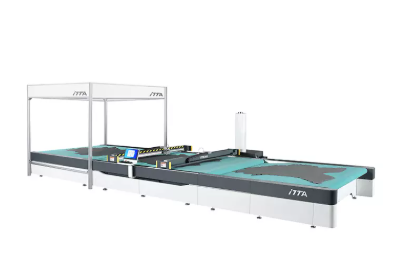
A leather cutting machine is an industrial device used to cut leather sheets into precise shapes, patterns, and sizes. Unlike traditional manual cutting tools, digital leather cutting machines integrate computer-controlled systems to ensure accuracy and efficiency. These machines are particularly useful in industries such as footwear manufacturing, leather goods production, automotive leather interiors, and upholstery.
A digital leather cutting machine is an automated system that uses digital controls, often with touch screens or computer interfaces, to guide cutting tools along predetermined patterns. The machine can cut complex shapes consistently, reduce waste, and save labor costs. Unlike conventional cutting methods, digital machines allow for easy adjustments in cutting depth, pressure, and speed.
Touch Screen Control Panel: Modern machines feature an intuitive touch screen interface that allows operators to upload cutting patterns, adjust parameters, and monitor the cutting process.
Vacuum Suction Table: Leather sheets are held securely in place by vacuum suction, ensuring precise cuts without material shifting.
Digital Cutting Head: The cutting head is equipped with blades or knives that move according to programmed patterns, allowing for accurate and repeatable cuts.
Adjustable Cutting Pressure: The machine can control cutting pressure to handle different leather thicknesses, typically ranging from thin to medium-heavy leather.
Safety Features: Many machines include automatic shutdown, emergency stop buttons, and protective covers to minimize workplace hazards.
At ITTA Machinery, we offer advanced digital leather cutting machines designed for high efficiency and reliability. Two representative models are highlighted below:
Voltage: 240V
Vacuum System: Integrated vacuum table for material stabilization
Digital Control: Computer-guided cutting head with precise control
Custom Design: Adjustable settings tailored to specific leather sizes and patterns
Applications: Footwear, bags, automotive leather, and upholstery
Touch Screen Interface: User-friendly control panel for pattern selection and parameter adjustment
Adjustable Cutting Pressure: Suitable for different leather thicknesses and textures
Vacuum Stabilization: Leather is held firmly during cutting to prevent shifting and inaccuracies
High Precision: Capable of cutting intricate patterns and repetitive designs with minimal waste
Industrial Applications: Footwear, handbags, leather garments, automotive interiors, furniture
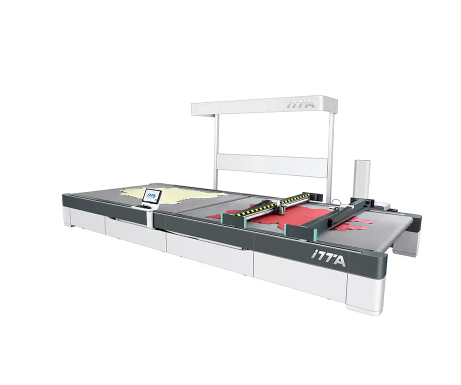
The operational workflow of a digital leather cutting machine is a combination of digital control, vacuum stabilization, and precise cutting mechanisms. Below is a detailed step-by-step explanation:
Operators begin by uploading the cutting pattern into the machine via the digital interface or touch screen. Patterns can be created using CAD software or imported directly from design files. The software allows for adjustments to cutting depth, speed, and sequence, optimizing material usage and minimizing waste.
Leather sheets are carefully placed on the vacuum table. The vacuum system activates, securing the material to prevent any movement during the cutting process. This is particularly important for high-precision designs where even slight misalignment can lead to defects.
Depending on the type and thickness of the leather, operators can adjust cutting pressure, blade speed, and cutting angle. These adjustments ensure clean cuts without damaging the leather surface or edges. Modern machines provide pre-set modes for common leather types, simplifying setup for repeated production runs.
The cutting head moves along the programmed path, guided by the digital control system. Blades or knives slice through the leather according to the design. Advanced systems can perform intricate cuts, including curves, holes, and complex shapes, all with high accuracy and repeatability.
Once the cutting process is complete, the vacuum releases the leather, and the cut pieces are removed for further processing. Automated sorting or stacking systems can be integrated to streamline workflow and reduce manual handling.
One of the most significant benefits of a digital leather cutting machine is its ability to produce consistent cuts across multiple sheets. The computer-guided system ensures that every piece meets the exact specifications, reducing the risk of human error.
Manual cutting of leather is labor-intensive and time-consuming. Digital machines automate repetitive tasks, allowing operators to focus on design and quality control. Production time is significantly reduced, improving overall efficiency.
Precise cutting patterns and optimized material placement minimize leather waste. This is especially valuable given the high cost of quality leather materials.
Digital leather cutting machines can handle intricate patterns that are difficult or impossible to achieve manually. This flexibility is ideal for fashion designers, luxury goods manufacturers, and custom leather product businesses.
Automated cutting reduces the risk of accidents associated with manual knives and cutting tools. Safety features, such as emergency stops and protective covers, further protect operators.
Shoes require precise cutting of leather components such as uppers, linings, and soles. Digital leather cutting machines ensure uniformity and high-quality finishes, essential for mass production and luxury brands alike.
Handbags, belts, wallets, and other leather accessories benefit from the accuracy of digital cutting, allowing for intricate designs, embroidery placements, and consistent sizing.
Vehicle interiors demand precise cuts for seats, door panels, and dashboard components. Digital machines provide the repeatable accuracy needed to fit components perfectly and maintain aesthetic standards.
High-end furniture often incorporates leather panels. Digital cutting machines enable furniture manufacturers to cut consistent panels that align seamlessly during assembly, ensuring professional quality.
Not all machines are suitable for every leather type. Evaluate the thickness and texture of the leather you plan to cut, and select a machine that can adjust pressure and cutting depth accordingly.
The machine’s control software should be compatible with your design files and CAD systems. User-friendly interfaces, pattern libraries, and adjustable parameters enhance efficiency and reduce training time.
A reliable vacuum system is crucial for holding leather sheets in place. Ensure that the machine provides consistent suction across the entire cutting area to prevent slippage and inaccuracies.
Consider the maximum leather sheet size that the machine can handle. For large-scale production, a wider cutting table may be necessary to accommodate bigger pieces without multiple passes.
Digital leather cutting machines require regular maintenance, including blade replacement, vacuum system checks, and software updates. Choose a manufacturer that provides technical support and training for long-term reliability.
Regularly inspect blades for wear and replace them as needed to maintain clean cuts. Dull blades can damage leather edges and reduce precision.
Ensure the vacuum table is free from dust and debris to maintain consistent suction. Periodic cleaning and filter replacement are recommended.
Keep the machine’s software up-to-date to benefit from the latest features, bug fixes, and improved compatibility with design files.
Calibrate the cutting head and sensors regularly to maintain precision. This includes checking cutting depth, blade alignment, and suction uniformity.
Yes, adjustable cutting pressure allows machines to handle a variety of leather thicknesses, from thin to medium-heavy leather.
Modern machines feature intuitive touch screens and software compatible with standard CAD files, making pattern programming straightforward.
Processing speed depends on leather type, complexity of the pattern, and machine model. Industrial machines can handle dozens of sheets per hour, significantly outperforming manual methods.
Most machines include emergency stop buttons, protective covers, and automated shutdown features to protect operators during use.
Basic operation can be learned quickly, but detailed training ensures optimal performance, pattern programming efficiency, and machine maintenance.
A digital leather cutting machine represents a critical investment for modern leather processing industries, offering precision, efficiency, and consistency that traditional manual methods cannot match. Whether for footwear, handbags, automotive interiors, or furniture upholstery, these machines enable businesses to increase productivity, reduce material waste, and deliver high-quality products. By carefully considering machine specifications, material types, and operational requirements, manufacturers can choose the ideal digital leather cutting machine to meet their production goals.
For businesses seeking reliable, high-performance machines, our products at ITTA Machinery, including the Safe Automatic Leather Cutting Machine 240V Vacuum Digital Custom Design and the Digital Vacuum Leather Cutting Machine Touch Screen Adjustable, provide industry-leading features, customizable design, and digital precision to optimize leather cutting operations.